Ekshada: A Vintage-Inspired Display Font for Makers
The late afternoon light was streaming across my workbench, illuminating the small pile of soy wax candles waiting for their final touch. I had poured the scents, trimmed the wicks, and selected the kraft paper labels, but something felt missing. The clean sans serif font I usually relied on felt too sterile for these rustic, hand-poured creations. I needed a typeface that whispered "handmade" without shouting it. That is when I opened my design software and loaded Ekshada. As the cursor hovered over the text box, I typed out the scent name, and instantly, the label transformed. The vintage-inspired curves and the confident flow of the script gave the project a classic, clear, and clean feel that perfectly matched the earthy tones of the packaging.
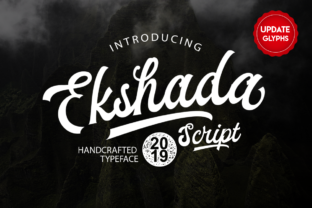
In the world of handmade goods, typography is often the silent salesperson. It sets the mood before a customer even reads the description. Ekshada Script is not just another decorative typeface; it is a tool that bridges the gap between modern digital design and the nostalgic charm of vintage posters. For crafters, printable creators, and small business owners, finding a font that balances readability with artistic flair can be the difference between a generic listing and a standout brand identity.
Bringing Vintage Charm to Modern Labels
When I first started testing Ekshada on various materials, I was struck by its versatility. The font is designed as a display typeface, meaning it shines brightest when used for headlines, titles, and short phrases rather than long paragraphs. This makes it an ideal choice for product labels where space is premium and impact is essential. On my candle labels, the script added a layer of sophistication that made the product feel like a boutique item rather than a mass-produced good.
I experimented with using the font on different textures. Printed on matte cardstock, the ink absorbed slightly, giving the letters a soft, organic edge that complemented the handwritten aesthetic. When applied to glossy vinyl for stickers, the high contrast of the black script against the white background popped with clarity. The beauty of Ekshada lies in its ability to maintain legibility even at smaller sizes, which is crucial for product tags and ingredient lists on packaging. Unlike some overly ornate scripts that become illegible blobs when scaled down, this typeface retains its structure, ensuring your customers can easily read the product name or brand logo.
Perfect Applications for Handmade Sellers
As I continued to explore the potential of this creative font, I realized its application went far beyond candle jars. The visual personality of Ekshada—warm, inviting, and timeless—makes it suitable for a wide array of handmade and digital products. Here are a few ways I have integrated it into my workflow:
- Greeting Cards and Invitations: For wedding invitations and birthday cards, the font serves as a beautiful focal point for names and dates. Its vintage poster inspiration gives it a celebratory yet elegant tone.
- Printable Wall Art: Creating digital downloads for home decor requires fonts that look good both on a screen and in print. Ekshada works wonderfully for motivational quotes and nursery art, adding a personal touch that feels curated.
- Boutique Packaging: From tissue paper stamps to shipping boxes, using a consistent display font helps build brand recognition. A simple "Thank You" printed in this script elevates the unboxing experience.
- Seasonal Decor: Whether designing holiday gift tags or farmhouse-style wooden signs, the font adapts well to seasonal themes without feeling dated.
- Apparel and Accessories: When preparing designs for mugs, tote bags, or t-shirts, the script stands out clearly against fabric and ceramic surfaces, offering a stylish alternative to block letters.
Typography Pairing for Professional Results
One of the most important lessons I learned while designing with Ekshada is the power of font pairing. While the script is stunning on its own, combining it with a complementary typeface creates a balanced and professional layout. Because Ekshada is a flowing, decorative script, it pairs exceptionally well with simple, neutral fonts that do not compete for attention.
For my shop's branding, I found that pairing the script with a clean sans serif font provided the perfect contrast. The geometric simplicity of the sans serif grounded the whimsical nature of the script, making the overall design easier to read. For example, on a greeting card, I might use Ekshada for the main message "Happy Birthday," followed by the recipient's name in a bold, modern sans serif. Alternatively, for a more traditional look, a simple serif font can echo the vintage roots of the script, creating a cohesive editorial feel.
It is generally best to avoid pairing two script fonts together, as this can create visual clutter and reduce readability. Instead, let Ekshada take the lead as the star of the show, using secondary fonts only for supporting information like addresses, pricing, or fine print. This hierarchy guides the viewer's eye naturally through the design, enhancing the perceived quality of your product.
Technical Considerations for Cutting Machines
For those of us who use Cricut or Silhouette machines to cut vinyl decals and heat transfer material, the technical details of a font matter immensely. Ekshada has been crafted with clean lines and distinct letterforms, which translates well to vector cutting paths. However, because it is a script font, some letters may have connecting strokes or tight kerning that require careful adjustment.
When preparing files for cutting, always zoom in to check the spacing between characters. In some cases, you may need to manually adjust the tracking to ensure the machine does not mistake a connection for a single piece. Additionally, if you are using the font for very small stickers, test a sample first to ensure the intricate details remain sharp after weeding. The font's clarity is one of its strongest assets, but respecting its scale ensures your final product looks polished and professional.
Licensing and Commercial Use for Creators
As a maker selling physical products or digital downloads, understanding your licensing is non-negotiable. Before incorporating Ekshada into any commercial project, it is vital to review the specific license agreement provided by the creator. Most premium fonts offer different tiers of usage, ranging from personal projects to unlimited commercial rights.
If you plan to sell items featuring this font—such as pre-made candles, printed invitations, or SVG templates—you must ensure your license covers these activities. Some licenses allow for the creation of physical goods (like shirts or mugs) but restrict the sale of the font file itself or editable templates containing the font. Always verify if the license includes multilingual support if your audience is global, and check for included styles such as alternates, ligatures, or swashes that can add unique character to your designs. Using a properly licensed commercial font protects your business and supports the designers who create these essential design assets.
Ultimately, choosing the right typeface is about storytelling. Ekshada tells a story of craftsmanship, nostalgia, and attention to detail. Whether you are designing a wedding welcome board, a set of planner pages, or a new line of artisan soaps, this vintage-inspired script adds a layer of soul to your work. It invites customers to slow down and appreciate the care put into every element of your brand. By integrating this display font thoughtfully into your designs, you elevate your products from simple commodities to cherished keepsakes.